Expert Guide to Brachial Plexus Injury Treatment in Delhi for Faster Recovery
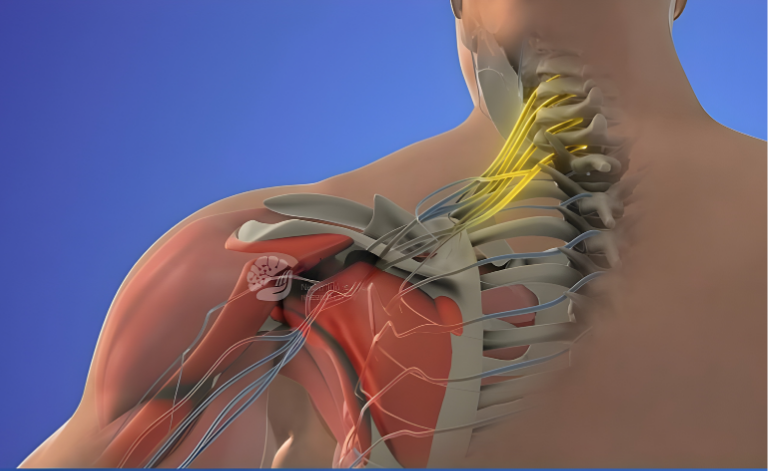
High-impact trauma frequently results in brachial plexus injuries, which harm the nerve network from the spine to the shoulder, arm, and hand. To avoid long-term disability, these injuries need to be treated right away. Experts like Dr. Nishant Soni offer precise, cutting-edge treatment for Brachial plexus Injury Treatment in Delhi that is supported by specific training and knowledge.
Common Causes
Because they stretch or tear nerves, high-speed car accidents—especially motorcycle crashes—rank highest on the list of causes. These injuries are also often caused by falls, penetrating wounds from knives or gunshots, and sports collisions like “stingers” in football. Although adult cases are frequently linked to careless driving or contact sports. Birth trauma in newborns also ranks highly.
Risks if Ignored
Severe injuries that are left untreated increase the risk of burns or other injuries because they cause permanent weakness, paralysis, or complete arm numbness. Deformities like winging shoulder blades or uneven limbs, as well as persistent pain and tingling like electric shocks, are common. Adults who delay surgery run the risk of permanent disability, while babies who ignore early recovery signals have poor outcomes.
Standard Treatments
Physical therapy can heal mild stretch injuries (neuropraxia) in months with 90–100% recovery rates. Neurolysis to remove scar tissue, direct nerve repair for cuts, and grafts from other body nerves to fill in gaps are all part of surgery for ruptures or avulsions. Compared to grafts, nerve transfers restore important functions like elbow flexion more quickly by rerouting healthy nearby nerves.
Latest Treatment Advances
By 2026, nerve transfers will be the most common cause of avulsions; advances such as the medial pectoral to axillary nerve will improve shoulder function even in young children. In certain situations, experimental nerve allografts combined with FK506 (tacrolimus) immunosuppression outperform conventional autografts by accelerating regeneration up to 2 mm per day for long gaps. Although full recovery times vary depending on the severity of the injury, microsurgery and electrostimulation improve results.
Brachial Plexus Injury Treatment in Delhi | Early Diagnosis of Nerve Injuries
Injuries to the brachial plexus can seriously impair nerve function, resulting in hand, arm, and shoulder weakness or loss of movement. To avoid long-term issues, early diagnosis and prompt treatment are essential. This guide on Brachial Plexus Injury Treatment in Delhi, with skilled care from professionals like Dr. Nishant Soni, examines common causes, risks if treatment is not received, standard and advanced treatment methods, and the significance of specialized care for a successful recovery.
Dr. Nishant Soni’s Approach
Dr. Nishant Soni, a hand and nerve microsurgery expert with 20 years in orthopedics, specializes in brachial plexus reconstruction via personalized microsurgery and nerve grafting. His Barcelona fellowship in limb reconstruction and peripheral nerve surgery enables precision few match, tailoring plans from therapy to advanced repairs for optimal mobility.
Conclusion
If left untreated, brachial plexus injuries can worsen and have a major impact on a person’s quality of life and mobility. To avoid long-term issues, it is crucial to comprehend the causes, recognize early symptoms, and seek timely medical attention. Modern medical advancements have made it possible to support recovery with effective treatment options that range from advanced microsurgical procedures to physiotherapy.
Brachial Plexus Injury Treatment in Delhi with experts like Dr. Nishant Soni provides precise diagnosis, cutting-edge methods, and individualized treatment plans for those looking for professional care. He has been offering ongoing services for more than 20 years, guaranteeing improved recovery outcomes and a reliable healthcare experience, and patient feedback regarding his treatment has been overwhelmingly positive.
FAQs on Brachial Plexus Injury:
1. What is a brachial plexus injury?
A brachial plexus injury occurs when the network of nerves that controls movement and sensation in the shoulder, arm, and hand is damaged due to trauma or stretching.
2. What are the common causes of brachial plexus injury?
Common causes include road accidents, especially motorcycle crashes, sports injuries, falls, and birth-related trauma in newborns.
3. What are the symptoms of brachial plexus injury?
Symptoms may include weakness, loss of movement in the arm, numbness, tingling, or even complete paralysis of the shoulder, arm, or hand.
4. Can a brachial plexus injury heal on its own?
Mild injuries may heal on their own with physical therapy, but severe injuries often require medical or surgical treatment for recovery.
5. What treatments are available for brachial plexus injury?
Treatments include physical therapy, medications, nerve repair surgery, nerve grafting, and nerve transfer procedures depending on the severity of the injury.
6. How long does recovery take?
Recovery time varies from a few months to several years depending on the severity of the injury and the type of treatment used.
7. When should I see a doctor?
You should consult a doctor immediately if you experience weakness, numbness, or loss of movement in your arm after an injury.
8. Is surgery always required?
No, surgery is not always required. Mild cases can recover without surgery, but severe nerve damage often needs surgical intervention.
9. Can children recover from brachial plexus injuries?
Yes, children, especially newborns, often have a good recovery if treated early and appropriately.
10. Who treats brachial plexus injuries?
These injuries are usually treated by orthopedic surgeons, neurosurgeons, or specialists in nerve and microsurgery.